Vermiculite insulation appears harmless—light, gray-brown pebbles poured into attic cavities. Yet many Calgary homes built before 1990 contain vermiculite mined from Libby, Montana, a deposit contaminated with asbestos. If you own an older home or plan to upgrade insulation, understanding the risks and safe removal process protects your family and investment.
How to recognize vermiculite insulation
Vermiculite looks like small, layered pellets, similar to mica flakes. It is often dull gray or brown but may sparkle under a flashlight. You’ll usually find it in attic spaces, but some builders poured vermiculite into wall cavities or used it around chimneys as fireproofing. Because it settles over time, attics may include a mix of vermiculite and blown-in cellulose. If you see loose pebbles among fibrous insulation, assume vermiculite is present until proven otherwise by laboratory analysis.
To confirm, hire a certified inspector to collect samples. Testing costs $300–$500 and should include TEM (Transmission Electron Microscopy) analysis, which detects low concentrations of amphibole asbestos. Never scoop vermiculite into a bag yourself; you could release fibres and contaminate your living space.
Why vermiculite is risky
Not all vermiculite contains asbestos, but the Libby mine supplied much of North America. Vermiculite from this source can contain tremolite-actinolite asbestos fibres, which become airborne when disturbed. Activities like installing pot lights, running wiring, or air-sealing an attic can agitate the material. Inhaling fibres may lead to serious illnesses including asbestosis, lung cancer, and mesothelioma.
Vermiculite also interferes with energy efficiency upgrades. You cannot install spray foam or dense-pack cellulose until the contaminated material is removed. Many Calgary homeowners discover vermiculite when pursuing an Energy Efficiency Alberta rebate or when selling their property; buyers often request proof that insulation was tested and removed by professionals.
Planning safe removal
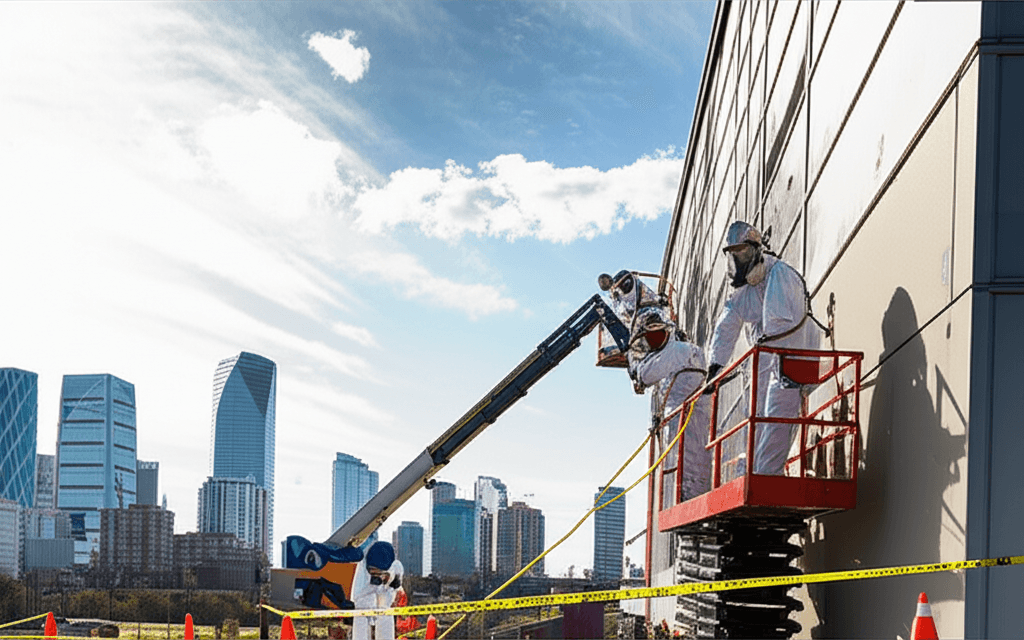
Removing vermiculite requires Type 3 asbestos abatement procedures. Contractors build full containment, install negative air machines, and use specialized vacuum systems with HEPA filtration. Because attics are often cramped and dusty, crews wear supplied-air respirators and protective suits. The removal process includes wetting the material, vacuuming it into sealed containers, and performing thorough decontamination.
Homeowners should budget $18,000–$28,000 for a typical 1,500-square-foot attic, depending on access, ventilation, and depth of insulation. Projects in infill neighbourhoods with limited parking or rooftop access may cost more. Working with a company that offers selective demolition allows you to coordinate any required structural changes or soffit repairs at the same time.
Permitting and documentation
Calgary requires the Asbestos Management Form for vermiculite removal. Attach your lab report, containment design, and disposal plan when submitting. Waste must be double-bagged and transported to the Shepard Landfill or another approved site. Keep copies of waste manifests and air clearance results; they are essential for future real estate transactions or insurance claims.
Preparing your home
Prior to removal, clear items from the attic and areas around access hatches. Cover furniture and flooring in rooms below the attic, even though professionals seal the space. Inform neighbours in semi-detached homes or townhouses so they know to expect containment equipment and workers on site. Makki Abatement often coordinates with restoration companies to relocate personal belongings when attics contain stored items.
Energy upgrades after removal
Vermiculite removal opens the door to improved comfort and efficiency. Once the attic is cleared and air clearance achieved, schedule upgrades such as spray foam, rigid insulation, or blown-in cellulose. Adding air sealing, baffles, and vapor barriers ensures your home meets current building-code standards. Many homeowners in communities like Haysboro or Silver Springs see immediate improvements in heating costs and indoor comfort.
If you plan to finish the attic or install new HVAC runs, coordinate with contractors before the abatement crew dismantles containment. Having trades ready to begin work immediately shortens the overall timeline and prevents re-entry into the attic before improvements are complete.
Alternative approaches
In some cases, homeowners choose to leave vermiculite in place and encapsulate it. This may involve installing rigid foam or a fire-rated barrier over the insulation to prevent disturbance. However, encapsulation still requires negative air containment and is often less effective if you plan future renovations. Removing vermiculite provides peace of mind and gives you full access to the attic for upgrades.
Working with professionals
Vermiculite removal is not a DIY project. The risk of fibre release is too high, and Alberta OH&S can levy fines for improper handling. Choose a contractor with proven experience, references, and comprehensive safety programs. Ask about their approach to air monitoring, waste transport, and rebuild coordination. Companies like Makki Abatement integrate testing, removal, and rebuild planning, ensuring your home is ready for the next phase.
Neighbourhood-specific considerations in Calgary
Older neighbourhoods such as Bowness, Ogden, and Forest Lawn often feature tight lot lines and limited driveway access. Plan ahead for debris chutes, vacuum hoses, and bin placement so equipment does not block alleyways. Makki Abatement coordinates with neighbours and the City of Calgary to obtain temporary parking or street-use permits when needed, keeping projects respectful and compliant.
In new communities like Seton or Livingston, homeowners associations may request notification before construction begins. Sharing your schedule and safety plan prevents misunderstandings and reassures neighbours that licensed professionals are on site. These simple communication steps help maintain goodwill while we complete Calgary abatement projects safely and efficiently.
Ready to tackle vermiculite in your attic? Connect with our Calgary team for a detailed assessment, or explore our asbestos abatement services to learn how we protect homeowners across the city and surrounding communities.
Ready to start your asbestos removal project?
Request a free inspection or call 403-392-2803 to coordinate with Makki Abatement's certified team.